CRM vs ERP vs Spreadsheets: Which one does your business actually need?
When do spreadsheets start holding your business back?
For many SMEs, spreadsheets are where everything begins.
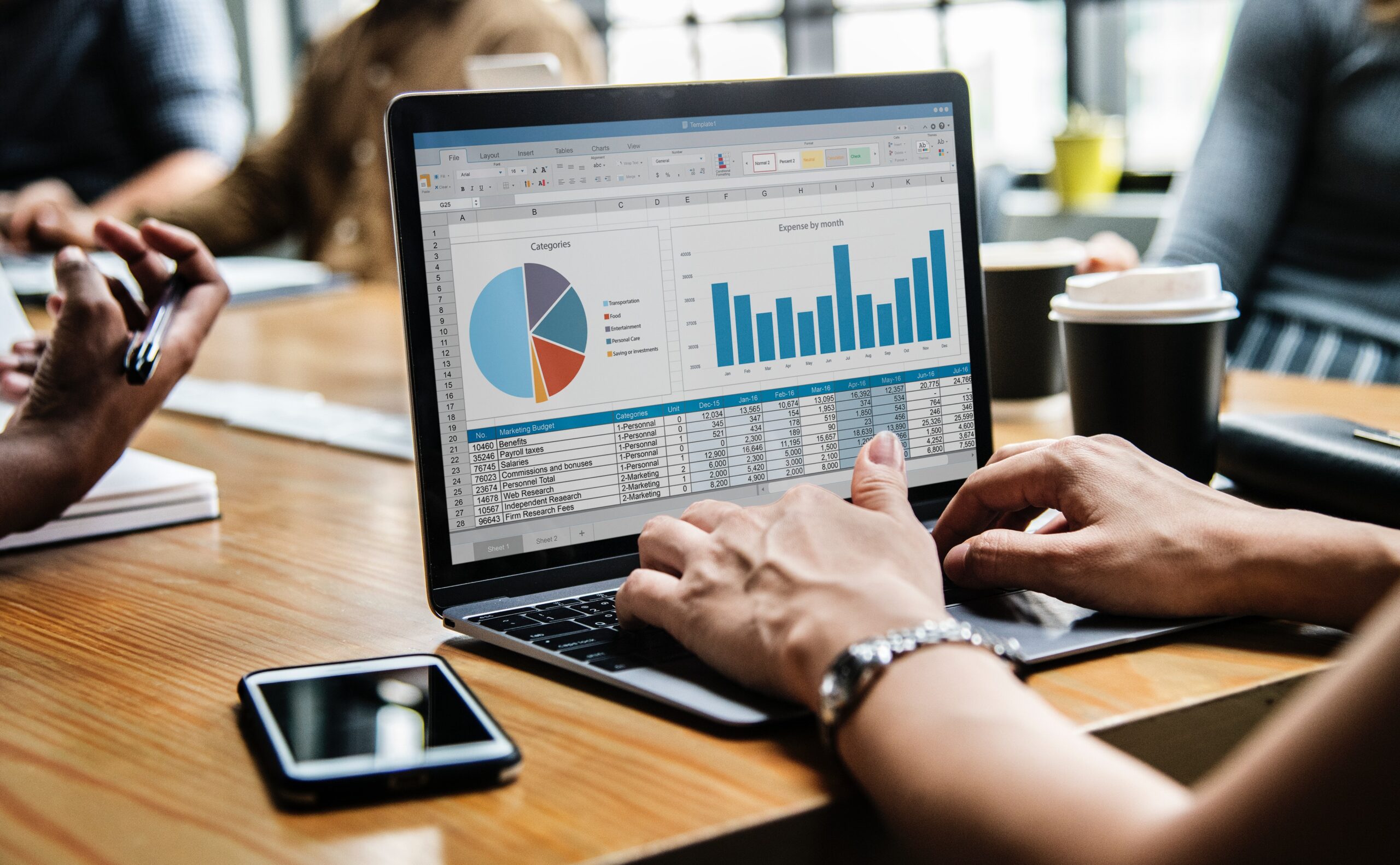
Customer contracts are tracked in excel, quotes and invoices are stored in folders on a laptop and any other information regarding projects or customers are shared through email. At first, it works well enough. As the business tends to grow, these systems become harder to manage. Information is duplicated across multiple files, important customer details are missed, invoices aren’t being tracked and the team spend more time searching for information than they do acting on it.
If the above sounds familiar, you are not alone.
Many businesses reach a point where spreadsheets, emails and disconnected tools are often no longer enough. At this stage, the conversation tends to turn to two common business systems, a CRM or an ERP. While they both sound similar, they solve very different problems. The challenge becomes knowing which one the business actually needs.
Streamline your business with free CRM and ERP deployments! Let E-DATA help you identify bottlenecks, map your workflows, and implement the perfect digital tools for your SME completely free of charge. Ready to ditch the spreadsheets and take control of your data? Explore our funded support to build your digital roadmap with our expert team.
Want to learn more about CRM and ERP? Read on.
So, what’s the problem with spreadsheets?
Spreadsheets are flexible, familiar and inexpensive. That’s why so many SMEs rely on them. However they are not designed to manage a growing business.
Common issues include:
- Multiple versions of the same file
- Data stored across different systems and devices
- Manual data entry and duplication
- Missed follow-ups with customers
- Difficulty tracking projects and financial information
- Limited reporting and visibility
A good rule of thumb is:
If your team is spending more time updating spreadsheets than using the information inside of them, it is time to explore better options.
What is a CRM?
CRM stands for Customer Relationship Management. A CRM system will help businesses manage customer interactions, sales opportunities, marketing activities and customer support from a single platform. In summary, think of it as a central hub for everything customer-related.
A CRM allows businesses to:
– Track leads and enquiries
– Manage sales pipelines
– Store customer information
– Record emails, calls and meetings
– Automate follow ups
– Measure sales performance
– Run marketing campaigns
The primary goal of a CRM is to help you win more business and build stronger customer relationships.
Your business may benefit from a CRM if:
- Your losing track of leads
- Enquiries are coming from email, social media, phone calls, networking events and referrals but there is no single place to manage them
- Customer information is stored in multiple locations
- Some information is in Outlook, some in spreadsheets, individual’s email inboxes, stored on the cloud etc
- Follow-ups are inconsistent
- Potential customers fall through the cracks because reminders and processes are managed manually
- You want better visibility of your sales pipeline
- You know opportunities exist but cannot clearly see where prospects are in the buying journey
- Marketing activities are difficult to measure
- You are investing time and money into marketing but struggle to identify what is generating results
For many SMEs, a CRM is often the first step in their digital transformation journey.
What is an ERP?
ERP stands for Enterprise Resource Planning. Unlike a CRM system, ERP platforms focus on internal business operations rather than customer relationships. An ERP brings key business functions together into one integrated system.
This can include:
– Finance and accounting
– Purchasing and procurement
– Inventory management
– Production planning
– Resource management
– Human resources
– Project management
The goal of an ERP is to improve operational efficiency, reduce duplication and create a single source of truth across the organisation.
Signs you need an ERP:
- Finance, inventory, purchasing and operations all sit in different platforms that don’t communicate with each other
- Information is manually transferred between spreadsheets, accounting software and internal systems
- It is difficult to see what is happening across the business in real time
- You need better control over stock levels, materials, equipment or workforce planning
- Generating management reports require collecting data from multiple sources before decisions can be made
ERP systems can be particularly valuable for manufacturing businesses, engineering firms, logistic providers and organisations with more complex operational requirements.
CRM vs ERP: What is the difference?
The easiest way to understand the difference is to think about where each system focuses its attention.
CRMs focus outward helping businesses manage:
– Customers
– Prospects
– Sales
– Marketing
– Customer Service
The goal is growth and customer engagement.
ERPs focus inward helping businesses manage:
– Finance
– Operations
– Inventory
– Resources
– Processes
The goal is efficiency and control.
Common Mistakes SMEs Make
When exploring digital systems, there are several mistakes businesses commonly make such as:
- Implementing technology before understanding the problem
- Trying to digitalise poor processes
- Choosing software that is too complex
- Continuing to rely on spreadsheets
Businesses need to start by identifying where time, money or productivity is being lost, technology should improve processes not automate inefficiencies, before implementing new systems, map and simplify existing workflows. Many SMEs purchase systems with hundreds of features they never use and invest in new software but continue maintaining spreadsheets ‘just in case’ creating duplication, which prevents the team from fully embracing the new system.
Choosing the right digital tools can be overwhelming, especially when every software provider claims to have the perfect solution.
At E-DATA, we work with SMEs across Northern Ireland and the border counties to identify practical digital solutions that deliver real business value.
Through funded workshops, mentoring and implementation support, we help businesses:
- Assess their current digital maturity
- Identify process bottlenecks
- Explore CRM and ERP options
- Improve data management
- Reduce manual administration
- Build a roadmap for digital transformation
Ready to move beyond spreadsheets?
If you are spending too much time managing information and not enough time using it, E-DATA can help.
Explore our funded support programme and discover how digital tools can help your business improve productivity, streamline operations and unlock new opportunities for growth.
Whether you’re considering a CRM, ERP, automation tools, or simply looking to move away from spreadsheets, our team can help you understand what solution is right for your business.
Use our contact form on the website and one of our advisors will be happy to discuss your requirements and explore the support available through E-DATA.
Contact us: Contact – E-DATA